
By Simon Deng
The Acting UNDP Country Representative Sheila Ngatia, has called for increased investment in market-driven skills development, emphasizing the need for stronger national systems to create sustainable job opportunities for young people across South Sudan.
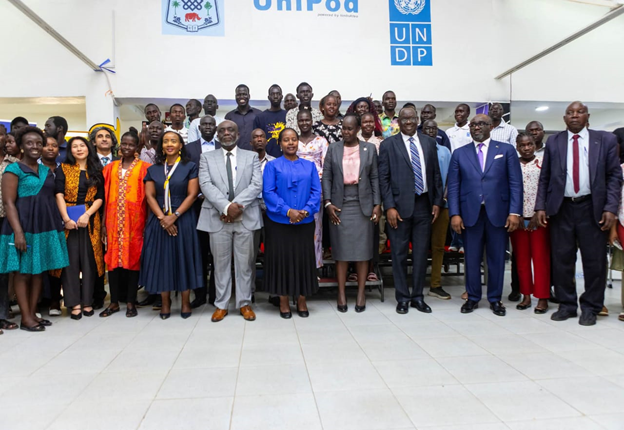
Speaking on Wednesday at the Youth Engagement and Dialogue event, held at Unipod at the University of Juba, Ngatia urged stakeholders to move beyond short-term youth projects. Instead, she advocated for strengthening national skills development programs to better connect young people with employment opportunities.
“We must transition from projects to stronger national systems. We need to build on existing youth programs, such as SEED4Youth, to enhance national skill sets and create jobs,” Ngatia stated.
She added that the success of youth programs should not be measured solely by participation, but by their effectiveness in equipping young people to influence decisions, create employment, and address challenges within their communities.
“Success is not how many youth participate in programs, but how many shape decisions, create jobs, and solve community challenges.”
To date, UNDP has provided vocational and entrepreneurship training to 42,052 youth and women across 22 trades. Of these, 31,708 young people have been trained and are now earning an income.
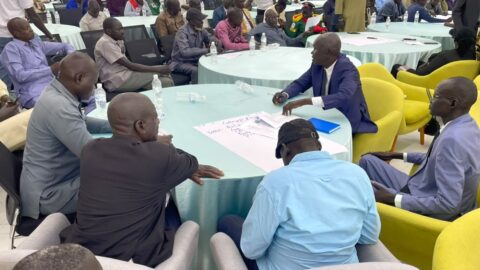
The event, spearheaded by UNDP in partnership with the South Sudan Ministry of Youth and Sports, convened representatives from the Government, the UN, Civil Society Organizations, the private sector, UNDP Student Ambassadors, and other young people.
Attendees also included representatives from the Ministry of Labour, National Communication Authority, MTN South Sudan, UN in South Sudan, African Development Bank Group, the Netherlands Embassy in South Sudan, the University of Juba, and Scenius Hub.
Ngatia disclosed that UNDP has significantly invested in youth empowerment, in partnership with donors and the Government of South Sudan, to institutionalize market-driven skills, certification, and employer linkages.
“Training must be complemented by finance, mentorship, and market access. We also need to move from training youth through projects to building systems that connect them to skills, finance, markets, and jobs.”
Atong Kuol Manyang,the National Minister of Youth and Sport, noted that economic conditions are driving young people towards desperate journeys. She stressed that youth programs should focus on creating sustainable businesses and jobs.
“We must create meaningful opportunities for youth participation in peacebuilding, local governance, climate action, entrepreneurship, and policy dialogue.”
Join the conversation
Keep contributions respectful, relevant and suitable for a public newsroom.