
By Abraham Nega
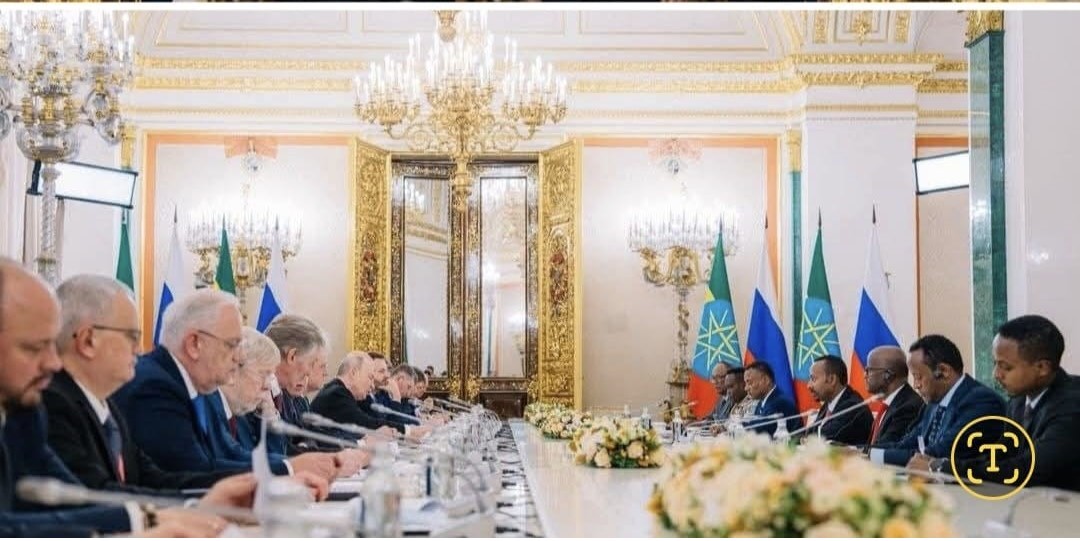
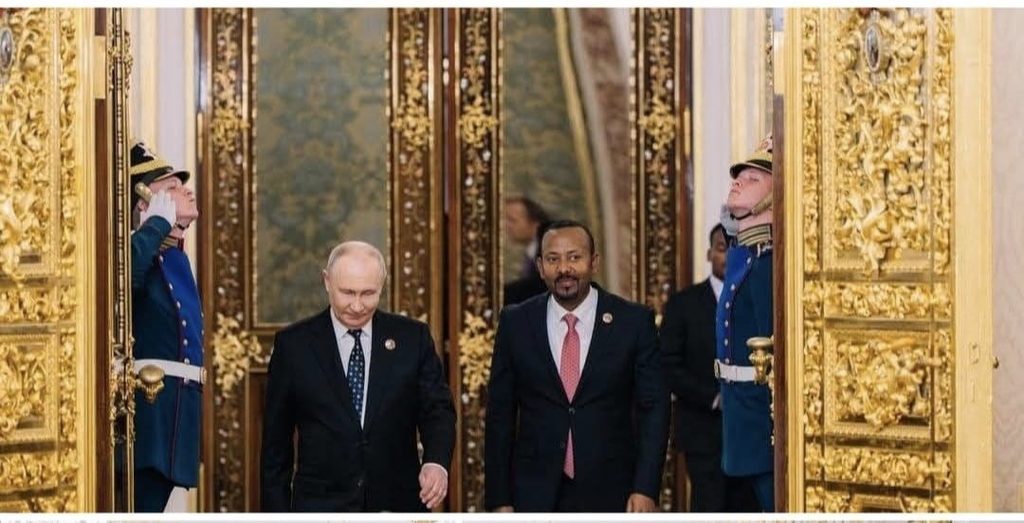
As global power dynamics shift and Africa seeks a stronger voice in international affairs, Ethiopia and Russia have an opportunity to transform their historic relationship into a practical partnership for economic development, energy security, scientific innovation, and regional stability.
A Historic Partnership for a Changing World
The relationship between Ethiopia and Russia is one of the longstanding diplomatic connections between an African nation and a major Eurasian power. Formal diplomatic relations date to 1898, providing a historical foundation for political engagement, cultural exchanges, educational cooperation, and evolving strategic interests.
Today, more than a century after the establishment of diplomatic relations, the two countries are exploring new ways to strengthen their partnership in response to changing international circumstances. Their cooperation extends across diplomacy, trade, energy, agriculture, education, science, technology, defence, and cultural affairs.
For Ethiopia, a strategically positioned country in the Horn of Africa and host to the African Union headquarters in Addis Ababa, engagement with Russia offers an opportunity to diversify international partnerships and pursue national development priorities.
For Russia, closer relations with Ethiopia provide an opportunity to deepen engagement with an influential African state and expand cooperation across the continent.
Yet the future of this relationship will depend on the ability of both governments to move beyond historical goodwill and political declarations towards concrete projects that generate measurable benefits for their citizens.
Economic Diplomacy: Unlocking Trade and Investment
Economic cooperation represents one of the most promising areas of Ethiopia–Russia relations. Ethiopia’s membership in BRICS has created additional opportunities for dialogue with Russia and other members on trade, investment, development finance, and the role of emerging economies in global economic governance.
According to Ethiopia’s Government Communication Service, bilateral trade reached high in the first half of 2025, more than doubling compared with the corresponding earlier period cited in its report. The figure illustrates the potential for stronger commercial engagement, although it should not be mistaken for a verified full-year total.
Both countries have opportunities to expand trade in agricultural commodities, fertilisers, industrial inputs, machinery, and other products that support economic development. Ethiopia’s coffee, oilseeds, pulses, and flowers could offer opportunities for greater access to Russian markets, while Russian technology and industrial expertise could contribute to Ethiopia’s manufacturing and agricultural sectors.
However, sustainable economic relations require more than increased trade volumes. Ethiopia needs productive investment, technology transfer, skills development, and improved access to international markets. Russian companies, in turn, need reliable commercial frameworks, transparent regulations, practical payment arrangements, and viable investment opportunities.
Joint ventures, agro-processing facilities, industrial partnerships, and stronger private-sector links could help transform bilateral relations into a more productive economic relationship.
The central objective should be to create value within Ethiopia, expand employment, strengthen local enterprises, and establish a durable commercial foundation for cooperation.
Energy Security: A New Chapter in Nuclear Cooperation
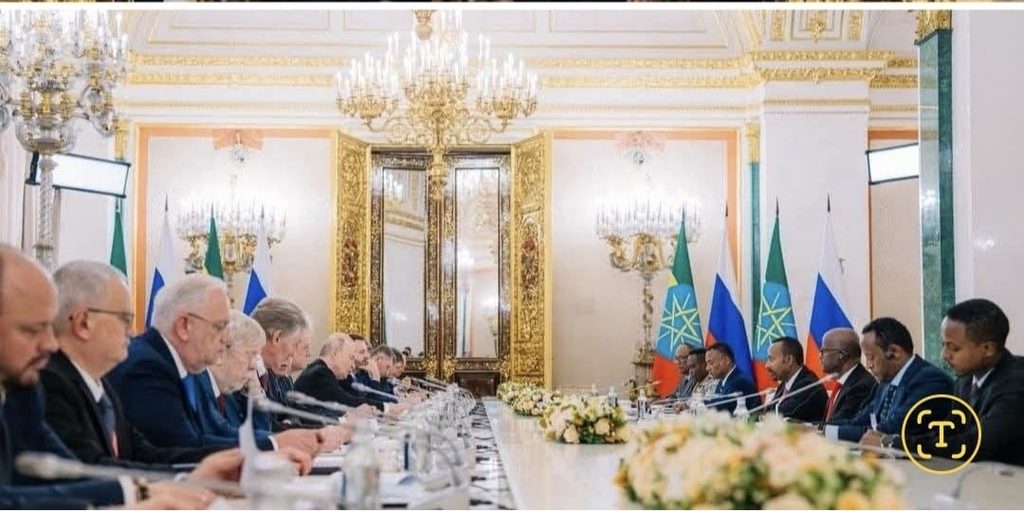
Energy is emerging as a particularly significant area of strategic engagement between Ethiopia and Russia.
Ethiopia’s ambitions for industrialisation, urban development, and economic transformation require a reliable, affordable, and diversified electricity supply. While hydropower and other renewable energy sources remain central to the country’s energy strategy, Ethiopia is also exploring nuclear energy as a potential component of its long-term electricity system.
A major development occurred on March 31, 2026, when the Ethiopian Nuclear Energy Commission and Russia’s state-owned nuclear corporation, Rosatom, signed a Strategic Roadmap for Nuclear Energy Development. The agreement established a framework for advancing bilateral cooperation in the peaceful development of nuclear energy.
The roadmap represents an important step in Ethiopia’s efforts to explore advanced energy technologies.
For Ethiopia, the priority should be to determine how nuclear energy could complement its existing energy resources while remaining economically viable and safe. For Russia, the opportunity lies in providing technical expertise, training, and long-term cooperation consistent with international safety standards.
Cooperation in renewable energy, electricity transmission, grid modernisation, and energy storage could also produce important benefits.
Agriculture, Finance, and Digital Transformation
Agriculture remains fundamental to Ethiopia’s economy, food security, and employment. Cooperation with Russia could support agricultural mechanisation, fertiliser supply, modern farming techniques, food processing, storage infrastructure, and agricultural research.
The development of joint projects linking farmers, universities, investors, and processing industries could help improve productivity and reduce post-harvest losses. Greater investment in local processing would also enable Ethiopia to capture more value from its agricultural production.
Financial and digital cooperation presents another opportunity. Both countries could explore financial technology, digital payment systems, banking services, and secure mechanisms for facilitating legitimate commercial transactions.
Such initiatives would need to comply with applicable international regulations and address payment-system reliability, cybersecurity, and financial transparency.
The objective should be to create practical systems that help businesses trade more efficiently, support investment, and encourage productive economic activity.
For Ethiopia, successful cooperation in these fields could contribute to economic diversification. For Russia, it could deepen commercial relations with an important African market.
Education and Human Capital Development
Education has long provided an important bridge between Ethiopia and Russia. Ethiopian students have pursued higher education in Russian institutions across fields including medicine, engineering, agriculture, science, and technology.
These educational connections have helped develop professional relationships and strengthen people-to-people ties. However, estimates of the total number of Ethiopian graduates from Russian universities should be supported by official records before precise figures are published.
The next stage of cooperation should place greater emphasis on research partnerships, postgraduate education, vocational training, university exchanges, and professional development.
Priority areas could include artificial intelligence, engineering, biotechnology, agricultural science, public health, energy technology, and industrial management.
Joint research programmes could help Ethiopian universities develop advanced technical capabilities while giving Russian institutions opportunities to establish stronger academic partnerships in Africa.
Scholarships remain valuable, but the wider objective should be to build sustainable educational links that enable graduates to apply their expertise, develop innovations, and contribute to their countries’ development.
Human capital is among the most important foundations of a successful long-term partnership.
Defence Cooperation and Regional Stability
Defence and military-technical relations have historically formed part of Ethiopia–Russia engagement. Cooperation in this area remains one dimension of their wider bilateral relationship.
The strategic context is important. The Horn of Africa faces complex security challenges, including political instability, conflict risks, maritime insecurity, and tensions that can affect regional trade and development.
For Ethiopia, maintaining diversified international partnerships is important to protecting national interests and developing its defence capabilities. Relations with Russia can form part of this broader approach, alongside engagement with other international partners and regional institutions.
Cooperation may include professional military education, technical training, maintenance, and dialogue on shared security concerns, subject to applicable laws and international obligations.
Nevertheless, sustainable regional security requires more than military engagement. Diplomacy, economic integration, respect for sovereignty, and constructive relations among neighbouring countries are equally essential.
A balanced Ethiopia–Russia partnership should contribute to Ethiopia’s national security while supporting peaceful coexistence and stability throughout the Horn of Africa.
BRICS and Africa’s Place in the Emerging International Order
Ethiopia’s membership in BRICS adds a significant multilateral dimension to its relationship with Russia.
The grouping offers a platform for discussions on trade, investment, economic development, financial cooperation, and the representation of emerging economies in international institutions.
For Ethiopia, BRICS membership complements its engagement with the African Union, the United Nations, and other multilateral organisations. For Russia, it provides an additional framework for strengthening relations with Ethiopia and other participating countries.
Conclusion: A Historic Friendship with a Future-Oriented Purpose
Ethiopia and Russia possess a substantial historical foundation on which to build a more ambitious relationship. Their diplomatic ties, educational exchanges, cultural connections, defence engagement, and expanding economic dialogue offer opportunities for cooperation across multiple sectors.
Yet the future of this relationship will depend less on the history they share than on the opportunities they create together.
For Ethiopia, the priority is to secure investment, technology, skills, energy security, and market access while preserving strategic autonomy. For Russia, the opportunity is to develop a dependable partnership grounded in mutually beneficial projects, respect for Ethiopian priorities, and sustained engagement with Ethiopian institutions and enterprises.
More than a century after the establishment of diplomatic relations, Ethiopia and Russia have an opportunity to give their historic friendship a renewed purpose: building a strategic partnership that serves both nations and contributes constructively to Africa’s role in an evolving international order.


Join the conversation
Keep contributions respectful, relevant and suitable for a public newsroom.