
A Strategic Defence Shift with Far-Reaching Implications for the Horn of Africa
By Abraham Nega
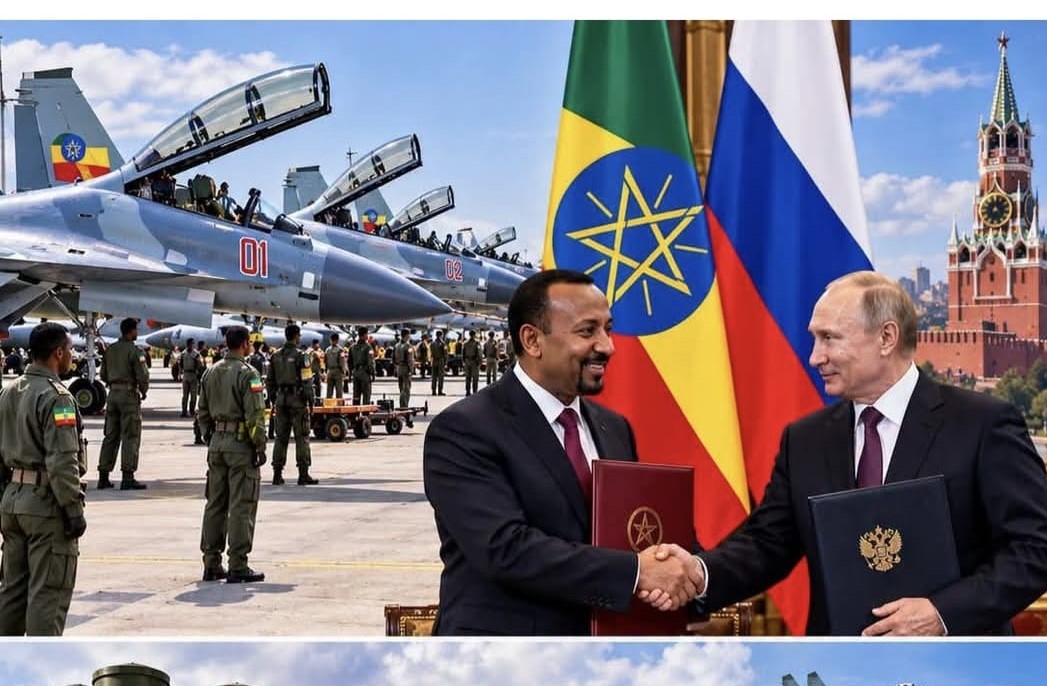
Ethiopia is entering a new chapter in its defence modernisation following reports of the arrival of Russian-made Su-35 fighter jets and plans approved to acquire advanced S-400 air-defence systems. The announcement by H.E. Dr. Abiy Ahmed, the visionery Prime Minister of the Federal Democratic Republic of Ethiopia, on October 28, 2026, during his visit to Moscow for the Russia–Africa Summit, highlights the growing strategic partnership between Ethiopia and Russia.
According to reports, the agreement involves 12 Su-35 fighter jets and four batteries of S-400 air-defence systems. The number of aircraft delivered so far and the timetable for the S-400 systems perfectly modernized Ethiopian Airforce.
The Su-35 is a sophisticated multirole fighter designed for air superiority and other combat missions. Its advanced radar, manoeuvrability and weapons capabilities could highly strengthen Ethiopia’s ability to protect its airspace and enhance its military readiness.
The S-400 systems would provide an additional layer of ground-based air defence against aircraft and selected missile threats. If effectively integrated, they could help protect strategic installations and critical infrastructure.
The acquisitions come amid growing security concerns in the Horn of Africa, including tensions by Eritrea against Ethiopia and wider regional instability. For Addis Ababa, strengthening national defence is an important strategic priority. Military modernisation must be accompanied by diplomacy, regional cooperation and respect for national sovereignty.
For Russia, defence cooperation with Ethiopia reinforces a longstanding relationship dating back to the establishment of diplomatic relations in 1898. For Ethiopia, the partnership offers access to advanced military technology, although long-term success will depend on training, maintenance, spare parts and financial sustainability.
The implications extend beyond Ethiopia’s borders. A stronger Ethiopian air force and modern air-defence capabilities could influence the regional security balance. The challenge will be to strengthen deterrence without encouraging an arms race or increasing tensions among neighbouring countries.
Conclusion: Power, Responsibility and Regional Stability
Ethiopia’s reported acquisition of Su-35 fighter jets and plans for S-400 air-defence systems represent a potentially significant step in its military modernisation. Advanced weapons with highly trained personnel can guarantee lasting security.
The ultimate measure of success will be whether these capabilities protect Ethiopia’s sovereignty, strengthen national security and contribute to a peaceful and prosperous Horn of Africa. Military strength is most effective when supported by economic resilience, constructive diplomacy, responsible leadership and visionary Head of State like our beloved PM H.E Dr. Abiy Ahimed.
Join the conversation
Keep contributions respectful, relevant and suitable for a public newsroom.