
By Jenifer James
Russia has outlined education and humanitarian affairs as essential areas for enhancing its bilateral relations with South Sudan. Moscow aims to increase cooperation with Juba in strategic sectors such as energy, investment, medicine, and oil refining.
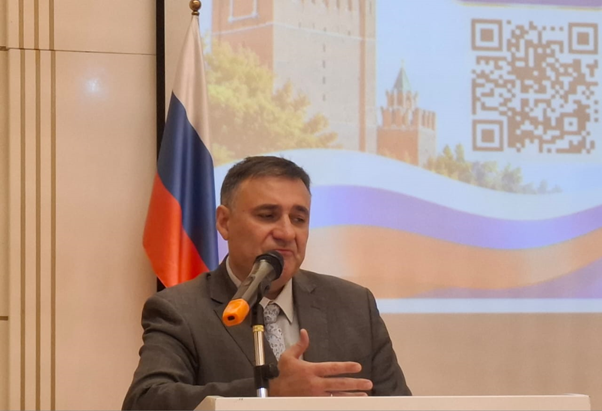
During an event showcasing a Russian film on the historical evolution of chess and BRICS participation on Friday, the Russian Ambassador to South Sudan, Aleksandr Kosmodemyansky, highlighted education and humanitarian affairs as key priorities for strengthening bilateral ties.
He noted that discussions between South Sudanese representatives and Russian President Vladimir Putin emphasized the significance of these areas in fostering relations between the two nations.
“Probably the most important aspect of these ties should be cooperation in humanitarian affairs and education,” Aleksandr stated.
Describing the film screening as an important first step in building stronger relations, Aleksandr said, “That’s why we brought you here, just to remind you that it is the first step for the South Sudanese and Russian sides to start great cooperation for the benefit of our nations.”
Aleksandr also underscored the role of chess in developing strategic thinking and intellectual abilities.
“I think it’s very important because chess can help you to develop strategic thinking and find yourself in this very smart game,” he said.
He welcomed the participation of both Russian and South Sudanese delegates, viewing their involvement as a means to enhance people-to-people relations.
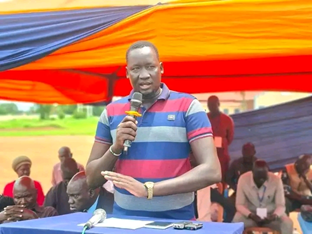
In a related event, Emmanuel Atit, Secretary-General of the South Sudan National Youth Union, described chess as a tool for promoting peace, unity, critical thinking, and discipline among the youth.
Atit noted that chess is widely embraced in various countries, including Russia, India, China, Brazil, and South Africa, where it plays a significant role in education, culture, and youth development.
“In Russia, chess is in the blood. Children learn it in schools, and grandmasters are national heroes,” he remarked.
He emphasized that chess teaches essential life skills, such as patience, respect for opponents, and the ability to stay calm under pressure.
“Chess does not ask where you come from, your nationality, or your religion. It asks whether you can think ahead, stay calm under pressure, and respect your opponent, even when you need to defeat them,” Atit explained.
Atit encouraged viewing chess as more than just entertainment, referring to it as a language that unites people.
“That is why chess is not just a game. It is a language of peace, intelligence, and unity,” he said.
He also expressed the view that the relationship between Russia and South Sudan should extend beyond government-level engagement to include youth through education and other opportunities.
“Today, that friendship enters a new chapter through the youth,” Atit stated.
He described this partnership as a chance to reinforce cooperation in education and create meaningful opportunities for young people in both countries.
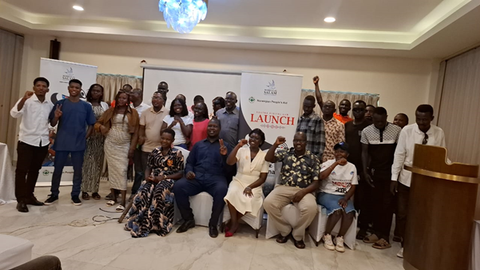
The documentary film about chess was attended by youths in Juba and students from various universities.
Join the conversation
Keep contributions respectful, relevant and suitable for a public newsroom.