
By Jenifer James
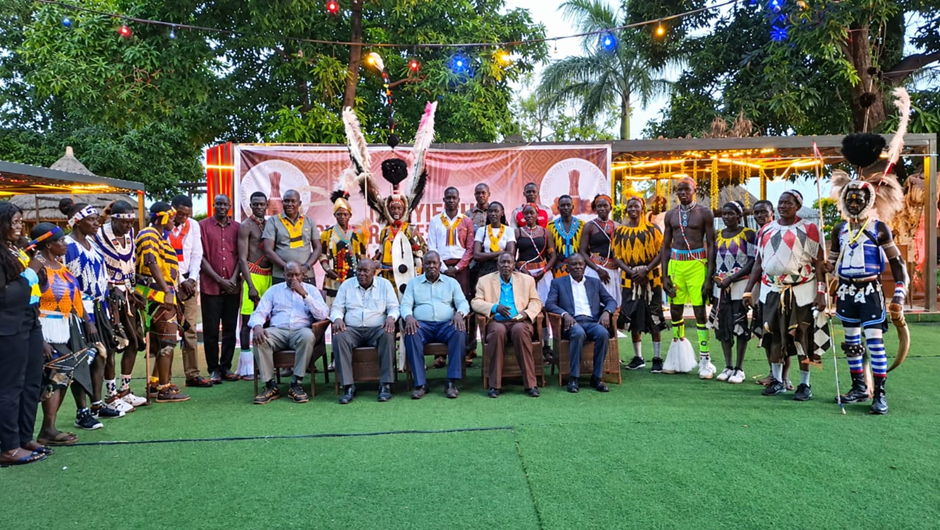
Eastern Equatoria’s cultural diversity is set to take centre stage in February 2027 as eight communities prepare for the Monyiemiji Cultural Festival, an initiative aimed at reviving indigenous traditions, strengthening inter-community relations and promoting unity through shared cultural identity.
Officially launched in Juba, the festival will feature traditional dances, wrestling, cultural artifacts, and community dialogues, all under the theme “Our Culture, Our Unity, Our Future.”
This theme will unite the Lokoya, Imatong, Otuho, Lango, Dongotono, Lopit, Bira, and Logir communities.
The February 2027 celebration is expected to include traditional dances, cultural performances, wrestling exhibitions, and dialogues aimed at preserving indigenous traditions and imparting cultural values to younger generations.
During the launch on Sunday, former Eastern Equatoria State governor Nartisio Loluke emphasized the historical and traditional significance of Monyiemiji in community leadership and security.
He noted the traditional institution’s vital role in protecting communities, maintaining peace, resolving disputes, and managing relationships with neighboring groups.
Loluke stressed that Monyiemiji remains significant in discussions surrounding customary leadership, community security, peacebuilding, cultural identity, and local governance.
Otwar James Odiongo, chairperson of the festival’s organizing committee, stated that the launch aimed to inform the public about the upcoming event and garner support from local and international communities.
“We are raising awareness about the cultural festival set for February 2027 in Juba, and we invite support from people around the world to help make this festival a reality,” he said.
James explained that Juba was chosen as the venue because many young people from Eastern Equatoria who grew up in the capital have limited exposure to their cultural traditions.
“We want to hold this festival in Juba to educate the younger generation about their culture and traditions. Future festivals may be hosted in Torit,” he added.
This upcoming celebration will mark the second cultural gathering of its kind, following a similar event held in 2010 that included the wider Otuho-speaking community.
The committee has urged the eight participating communities to register for the festival, with a registration fee of 250,000 South Sudanese Pounds (SSP).
Elder Zachariah Ebub highlighted culture as a vital element of community identity, noting that the festival will provide an opportunity for Eastern Equatoria’s people to showcase their heritage to the world.
“Although we may be a bit late in organizing this, it’s better late than never. Coming together like this shows the world who we are as distinct people,” Ebub remarked.
He encouraged community members to practice and preserve their traditions, emphasizing that culture defines identity, reflects origins, and fosters a sense of belonging.
“Culture tells you where you come from and where you belong. It is crucial that we practice our culture every day,” he stated.
The Monyiemiji Cultural Festival is poised to serve as a platform for cultural exchange among the eight participating communities, strengthening social ties and promoting the preservation of indigenous traditions for future generations.
Join the conversation
Keep contributions respectful, relevant and suitable for a public newsroom.