
By Jenifer James
The Ministry of Interior is launching a comprehensive assessment of the Commission for Refugee Affairs, as Caretaker Minister Rizik Zachariah Hassan has called for a direct review of the commission’s policies, legal framework, workforce, infrastructure, and programs.
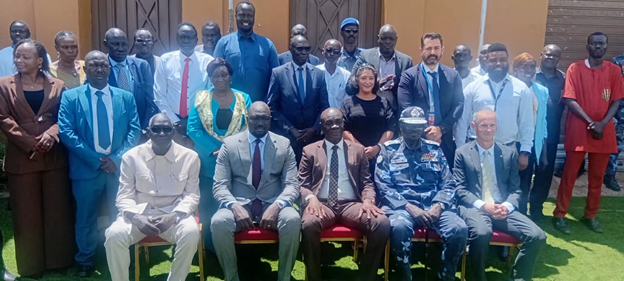
Hassan announced the initiative on Wednesday during an official visit to the Commission for Refugee Affairs.
He stated that the visit’s purpose was to allow the ministry to directly evaluate institutions under its purview, rather than relying solely on reports.
“We decided to take a proactive approach to understand the past operations of the commissions, directorates, and all units under the Ministry of Interior. We must visit them, and reports should be presented to us here on the ground.”
He explained that the ministry is conducting visits to various institutions to gain insight into their operations and identify areas needing government attention.
The review of the Refugee Affairs Commission will initially focus on its policies and policy framework, particularly concerning the management of refugee-related issues.
“We need to thoroughly examine the policies, from the policy framework to strategies and beyond. Are there any gaps? Because the management of refugee issues is very delicate.”
Hassan also called for an assessment of the legal and regulatory framework governing refugee affairs, including national laws, regulations, and international conventions.
“Are we adhering to them? Do we have gaps within this entity? As we are managing a global phenomenon, a global issue, we are legally bound to have relevant acts and laws in place.”
He further questioned the size and structure of the commission’s workforce, emphasizing that its staffing situation should be clearly detailed in the report submitted to the ministry.
“We need to understand the workforce that supports and operates within this domain. Where are they? How many of them are there? What is their status in terms of classified and unclassified leadership, executive, and supporting staff?”
Hassan also highlighted the necessity of examining the infrastructure, activities, and programs implemented for refugees, as well as the achievements and contributions of humanitarian partners.
He stressed that the government must also identify its own responsibilities in supporting refugees, rather than solely depending on partners.
“It’s not only about the partners; we as the government must develop clear programs and activities to acknowledge their presence. That is what we want to know.”
He added that financial constraints and other institutional challenges must be clearly identified to enable the ministry and its partners to determine areas requiring intervention.
The commission is expected to submit a comprehensive report outlining the issues raised during his visit.
Meanwhile, UNHCR representative Matthew Brook commended South Sudan for its continued hospitality towards refugees despite economic and humanitarian challenges.
Brook noted that the country’s open-door policy has provided a safe haven for people fleeing conflict and persecution.
“I would like to begin, Honorable Minister, by commending South Sudan’s continued leadership in refugee protection, despite economic and humanitarian challenges, including its open-door policy, which keeps its borders open for those seeking safety from conflict and persecution.”
He stated that South Sudan currently hosts over 660,000 refugees and asylum seekers, emphasizing the need to strengthen cooperation among the government and humanitarian partners.
Brook also advocated for a shift from humanitarian dependency towards greater self-reliance and resilience among refugees, South Sudanese returnees, and internally displaced people.


Join the conversation
Keep contributions respectful, relevant and suitable for a public newsroom.