
By Awan Achiek
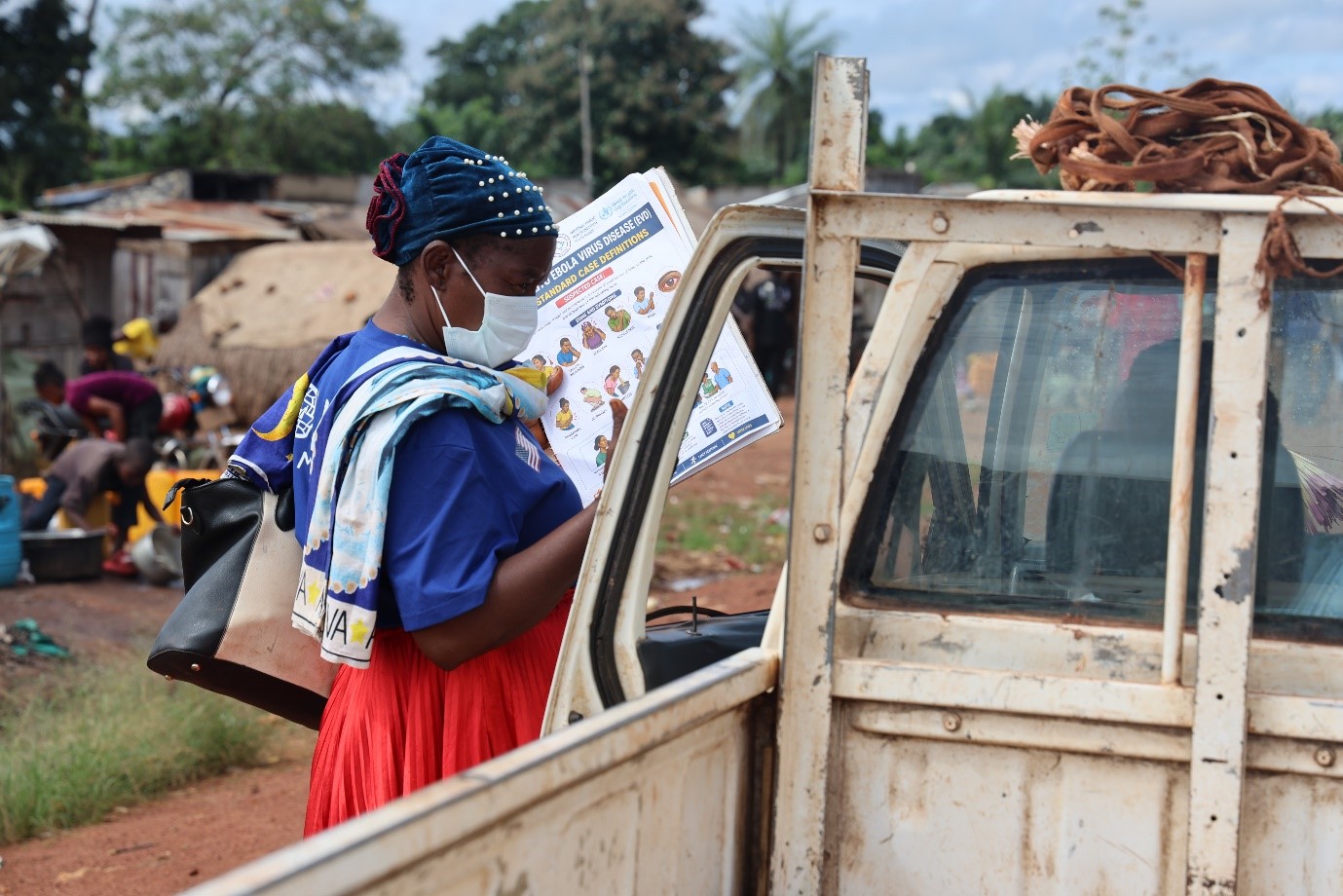
The United Nations Children’s Fund (UNICEF) has delivered 50 tonnes of medical supplies to South Sudan to enhance the country’s preparedness for a potential outbreak of Ebola Virus Disease.
This shipment includes protective equipment and infection prevention materials aimed at safeguarding health workers and communities.
The supplies consist of Personal Protective Equipment (PPE) and infection prevention and control (IPC) materials.
Funding for this initiative comes from various donors, including the United States Government, the Mastercard Foundation, and the UN Central Emergency Response Fund (CERF).
Dr. Douglas Noble, UNICEF’s Global Lead for Public Health Emergencies and Incident Manager for the Ebola Crisis, stated that the supplies are intended to bolster the country’s preparedness by improving infection prevention and control standards in health facilities and communities.
“A significant amount of essential BVD preparedness work has been undertaken by UNICEF, WHO, Africa CDC, and partners in support of the government,” Noble remarked.
“The recent simulation exercise was an important step forward. The priority now must be to address any remaining gaps in the coming days and weeks.”
Noala Skinner, UNICEF South Sudan Representative, emphasized the necessity for additional investment to strengthen community-based surveillance.
“Evidence from previous Ebola outbreaks shows that preparation is key to keeping outbreaks under control,” Skinner noted.
She added that the supplies will help improve health facility readiness, maintain supply chains, enhance cross-border preparedness, and increase surge capacity before an outbreak occurs.
“Domestic investment in social services, including timely salary payments, is crucial at this moment to support preparedness and any response efforts.”
Skinner cautioned that ongoing crises in the country, such as displacement, flooding, drought-like conditions, food insecurity, and recurrent disease outbreaks, are already straining essential services and heightening the risk of public health emergencies.
Bundibugyo is a rare strain of Ebola for which there is currently no specific treatment, although trials are underway to identify effective medicines and vaccines.
As of November 1, more than 10,000 individuals had been infected with Bundibugyo Virus Disease (BVD) in the Democratic Republic of Congo (DRC), with over 5,000 deaths reported, as efforts to contain the outbreak continue to face challenges.
Join the conversation
Keep contributions respectful, relevant and suitable for a public newsroom.